

How to Maintain Screen Printed Apparel: Wash & Dry Guide
Table of Contents
- Why Screen Printed Apparel Deserves Better Care
- What You'll Need Before You Start
- How to Wash Screen-Printed Shirts Without Damaging the Design
- How to Dry Screen-Printed Shirts So Prints Last Longer
- How to Prevent Screen-Print Cracking Before It Starts
- How Long Screen-Printed Shirts Last and What Shortens Their Life
- Stain Removal, Storage, and Everyday Habits That Protect Prints
- Conclusion: Care for the Message You Carry
- Frequently Asked Questions
Last Updated: October 14, 2026
Why Screen Printed Apparel Deserves Better Care
A printed shirt is not just fabric. That is why learning how to maintain screen printed apparel matters more than most people think.
At Miracle Mind Store, we print messages about faith, resilience, and purpose. The words matter. The print that holds them matters too.
Here is the good news: printed garments are not fragile. They just need the right habits.
What You'll Need Before You Start
You do not need special equipment. A few simple items will protect your prints better than any expensive product.
- A mild liquid detergent, free of bleach and dyes
- A mesh laundry bag for extra protection
- Cold water settings on your washing machine
Skip the bleach. Skip the fabric softener. Both break down ink over time.
How to Wash Screen-Printed Shirts Without Damaging the Design
Washing is where most print damage happens. The fix is simple: reduce heat, reduce friction, and keep harsh chemicals away from the ink.
Follow these steps in order.
- Turn the garment inside out so the print faces inward.
- Check the care label and follow it.
- Use cold water on a gentle or delicate cycle.
- Add a small amount of mild detergent.
- Wash similar colors together in a small load.
- Skip bleach, fabric softener, and dryer sheets.
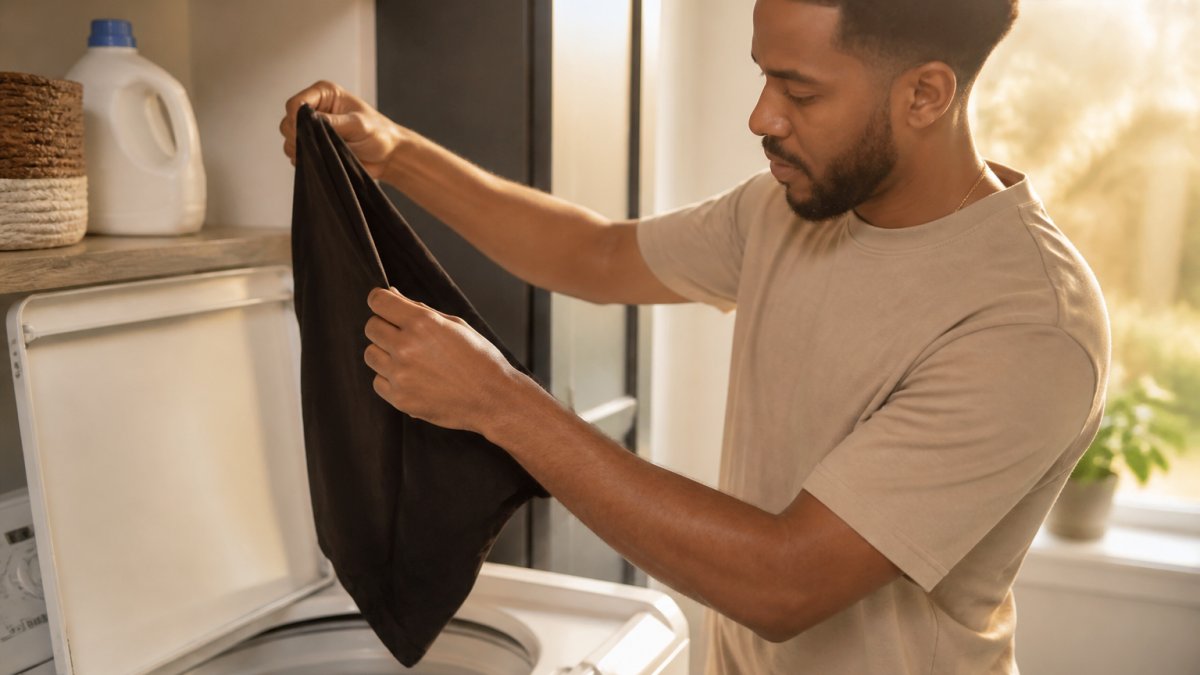
Turn the Garment Inside Out First
Turning a shirt inside out is the single easiest way to protect a print. It keeps the design from rubbing against other clothes, zippers, and the drum itself.
That rubbing is called abrasion, and it is what makes prints fade and crack. Inside out, the ink faces the fabric, not the machine.
Choose Cold Water and a Gentle Cycle
Cold water keeps ink stable. Hot water softens the ink and the fabric, and repeated heat is what causes cracking and peeling over time.
A gentle or delicate cycle spins slower and uses less agitation. Less agitation means less friction on the print.
According to the American Cleaning Institute's laundry guidance, sorting and choosing the right cycle are basic steps that protect fabrics and finishes.
How to Dry Screen-Printed Shirts So Prints Last Longer
Air drying is the safest way to dry screen printed apparel. Heat is the enemy here, and a dryer delivers more heat than any other step in your routine.
Here is how to dry printed garments the right way:
- Lay the shirt flat on a drying rack
- Or hang it on a line, still inside out
- Keep it out of direct harsh sunlight for long periods
High heat does two things at once. It weakens the bond between ink and fabric, and it shrinks the cotton underneath the print.
Tumble drying on low heat is a compromise, not a goal. Air dry when you can.
How to Prevent Screen-Print Cracking Before It Starts
Cracking rarely happens overnight. It builds up from small habits: hot water, high heat, heavy loads, and rough handling.
Know Your Ink Before You Know Your Routine
Screen printing is not one thing. The ink family matters.
- Plastisol ink is the most common commercial screen-print ink. It sits on top of the fabric as a flexible plastic layer. It is durable and colorfast, but it is also the most heat-sensitive. Once plastisol cracks, it cannot be reflowed at home. Cold water and air drying are non-negotiable.
- Water-based ink soaks into the cotton fibers instead of sitting on top. It feels softer and breathes better, but it fades faster with repeated washing and is more vulnerable to harsh detergent. Wash less often and use the gentlest cycle you can.
- Discharge ink removes dye from the fabric and replaces it with pigment, so the print becomes part of the cloth. It is extremely soft and rarely cracks, but the colors can shift over time with heat and chlorine exposure. Keep it away from bleach and hot dryers.
Match Care to Fabric, Not Just Ink
Ink behavior depends on what it is printed on.
- 100% cotton is the most forgiving. It holds plastisol and discharge ink well and tolerates gentle washing for years.
- Cotton/poly blends flex differently than pure cotton. Prints on blends can develop hairline cracks along stretch points like shoulders and the chest.
- Tri-blends and rayon blends are soft and drape beautifully, but the ink sits on a moving surface. These garments need the gentlest cycle and should never see a hot dryer.
- Performance and moisture-wicking fabrics often carry prints that are heat-cured at lower temperatures. High dryer heat can delaminate them faster than it cracks a cotton tee.
The Habits That Actually Stop Cracking
Once you know your ink and fabric, the rest is repetition.
- Wash less often when the shirt is not actually dirty. Airing a shirt overnight between wears extends print life more than any detergent.
- Use the shortest cycle that gets the job done.
- Never iron directly over the print. If you iron, turn the shirt inside out or use a pressing cloth.
- Avoid stretching the shirt while it is wet. Wet ink bonds are at their most vulnerable.
How Long Screen-Printed Shirts Last and What Shortens Their Life
A well-cared-for screen-printed shirt can last for years, often as long as the fabric itself. Poor care can shorten that to a few months. Most people never learn which side of that range they are on until the print is already gone.
Realistic Expectations by Ink Type
These are patterns, not promises. How often you wear and wash the shirt matters as much as how you wash it.
Miracle Mind Signature T-Shirt - White →
The First Wash Matters More Than You Think
A newly printed garment is not the same as a cured one.
What you can control is the first wash.
- Wait at least 24 hours after receiving a freshly printed shirt before its first wash if you can. This gives any residual curing time to settle.
- Wash the first time alone or with similar colors, inside out, in cold water on a gentle cycle.
- Skip fabric softener from day one. It leaves a residue that coats the ink and dulls the print over time.
- Air dry the first wash. This is the wash where you set the tone for everything that follows.
What Shortens Print Life the Most
- Hot water washes
- High heat drying
- Bleach and harsh chemicals
- Fabric softener, which coats the ink
What Extends It
- Cold water and a gentle cycle
- Inside-out washing
- Air drying
- Mild detergent only
When a Print Starts to Fail
If you notice cracking, peeling, or fading, be honest about what is fixable.
- Cracking in plastisol ink cannot be reversed at home. You can slow it by switching to cold water and air drying immediately, but the crack lines will remain.
- Peeling edges on DTG or heat-applied prints can sometimes be pressed back down with a pressing cloth and a low iron, never direct heat on the print. This is a temporary fix, not a repair.
- Fading from water-based or DTG ink is permanent. Prevention is the only real tool.
- A print that has already failed is best treated as a sign to adjust your routine for the rest of your printed garments. One lost shirt can save five others.
The garment fabric plays a role too. Softer, lighter fabrics flex more, so prints on them need gentler handling than prints on heavy cotton.
For context on fabric care standards, the FTC care labeling rule requires garments to carry care instructions, so always read the label before you wash.
Stain Removal, Storage, and Everyday Habits That Protect Prints
Stains and storage are the two areas most care guides skip. Both can quietly ruin a print if you handle them wrong.
Spot Treat Stains Quickly and Gently
Blot the stain with a clean cloth. Do not rub, since rubbing pushes the stain deeper and pulls at the ink.
Apply a small amount of mild detergent and cool water to the spot. Let it sit for a few minutes, then rinse gently.
Avoid stain removers that contain bleach or strong solvents. They can strip color from both the print and the fabric.
For guidance on stain treatment, the American Cleaning Institute's stain removal tips recommends acting fast and testing any product on a hidden area first.
Store Printed Garments Folded, Not Hung
Hanging a printed shirt on a wire hanger stretches the shoulders and can pull at the print over time. Fold printed garments instead.
Keep them in a cool, dry place away from direct sunlight. Sunlight fades ink the same way it fades fabric.
Stack folded shirts loosely. Tight packing creates creases that press into the print.
Conclusion: Care for the Message You Carry
A printed shirt carries more than ink. It carries a message you chose, and that message deserves to last. Cold water, gentle cycles, air drying, and careful storage will keep your prints looking new for years.
At Miracle Mind Store, our designs are made to be worn daily and to start conversations. Our Miracle Mind T-Shirts feature moisture-wicking fabric and UV 50+ protection, built for everyday wear. Our Miracle Mind Hoodies carry the same message in a warmer layer.
More than apparel. A message you carry.
When you are ready to wear your purpose, browse the Miracle Mind, Faith Over Fear, and Purpose Over Pain collections. Renew Your Mind. Live Your Purpose.
Frequently Asked Questions
Should you wash screen-printed shirts inside out?
Yes. Turning the shirt inside out before it goes in the machine keeps the printed side away from the drum and from other garments rubbing against it. That single habit cuts down on the friction and abrasion that wear prints down over time. Pair it with cold water, a gentle cycle, and a mild detergent, then air dry when you can. These small steps are the core of how to maintain screen printed apparel so the design stays sharp through many washes.
How long does a screen printed shirt last?
With careful washing and drying, a well-made screen-printed shirt can stay wearable for years, and many people report prints holding up through dozens of wash cycles when heat and harsh chemicals are avoided. How long screen-printed shirts last depends mostly on three things: water temperature, dryer heat, and detergent choice. Skip bleach and fabric softener, wash in cold water, and let the shirt air dry. Those habits do more for print durability than any specialty product.
Can you iron a screen-printed shirt?
You can, but never touch the iron directly to the print. High heat is one of the fastest ways to cause cracking, fading, and peeling. Turn the garment inside out and iron the back of the fabric, or place a thin cloth over the printed area and use the lowest heat setting. Steam alone often smooths wrinkles without any direct contact. If the print already shows wear, skip the iron entirely and hang the shirt to release wrinkles naturally.
How do you keep screen printed shirts from cracking?
Cracking usually comes from heat, friction, and harsh chemicals working together. Wash in cold water on a gentle or delicate cycle, use a mild detergent, and skip bleach and fabric softener. Turn the shirt inside out and avoid overloading the wash load so garments rub together less. Air dry instead of using the dryer, and if you must use low heat, remove the shirt while it is still slightly damp. Store it folded rather than hung to reduce stress on the print.
Caring for printed apparel takes a little intention, but the payoff is a design that stays bold through every season. Miracle Mind Store builds our tees and hoodies for daily wear, with moisture-wicking fabric and UV 50+ protection that hold up to real life. Shop with purpose and carry a message that lasts.